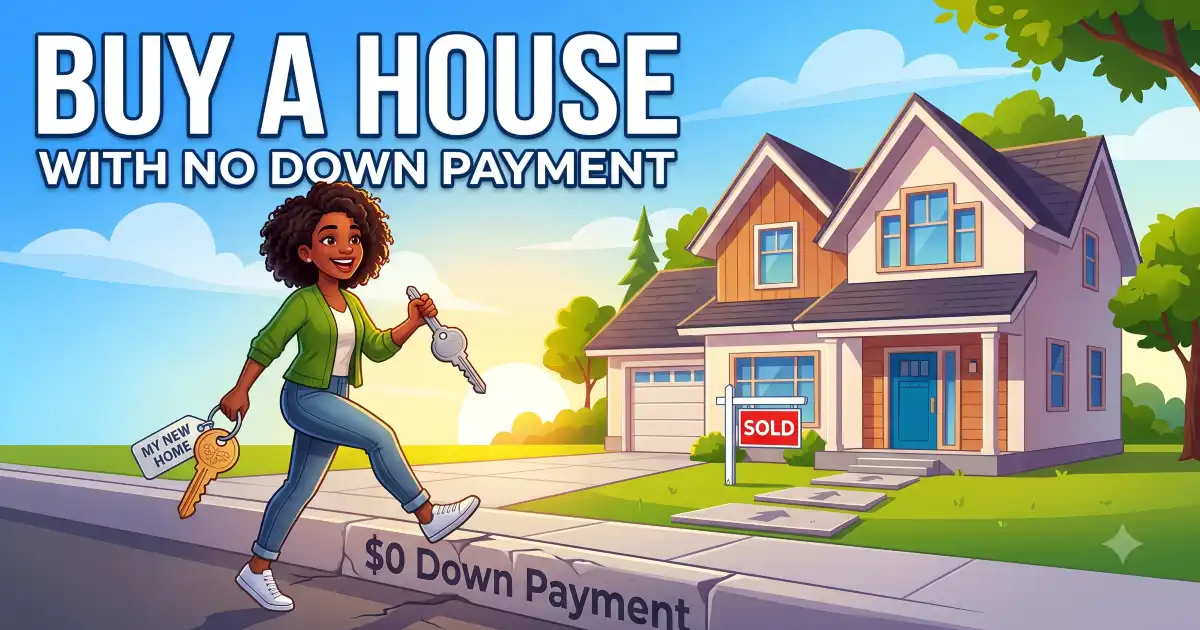
The idea that you need 20 percent down to buy a house is one of the most persistent myths in personal finance. Plenty of people buy homes every year with little to nothing down, using loan programs built specifically for that purpose. It takes some research and a willingness to meet specific qualifications, but a zero-down purchase is genuinely possible for a lot of buyers.
Check If You Qualify for a VA Loan
If you’re a veteran, active-duty service member, or eligible surviving spouse, a VA loan is the single best zero-down option available. Backed by the Department of Veterans Affairs, these loans require no down payment and no private mortgage insurance, which can save you thousands compared to a conventional loan. Get your Certificate of Eligibility from the VA before you start shopping for lenders.
Look Into USDA Loans for Eligible Areas
USDA loans aren’t just for farms — they cover a surprising number of suburban and rural areas across the country. If your target home falls within an eligible zone and your income falls under the local limit, you can buy with zero down. Check the USDA’s eligibility map early, since this can shape which neighborhoods you focus your search on.
Explore State and Local Down Payment Assistance Programs
Most states offer some form of down payment assistance, often as a grant or a forgivable second loan, for first-time or income-qualified buyers. These programs can cover your entire down payment when paired with an FHA or conventional loan. Search your state’s housing finance agency website, since these programs rarely get the visibility they deserve.
Ask About Lender-Specific Zero-Down Programs
Some banks and credit unions offer their own zero-down or low-down mortgage products to qualified buyers, separate from government programs. Navy Federal Credit Union, for example, offers zero-down loans to eligible members. These programs vary widely by lender, so it’s worth calling around rather than assuming your bank doesn’t have one.
Get a Gift From Family for Your Down Payment
Many loan programs allow your entire down payment to come from a gift, typically from a family member, as long as it’s properly documented with a gift letter stating the money doesn’t need to be repaid. This is one of the simplest paths to zero out-of-pocket costs if you have family willing and able to help.
Consider a Piggyback Loan
A piggyback loan combines two loans — a primary mortgage and a second loan that covers the down payment — so you avoid both a large upfront payment and private mortgage insurance. This adds a second monthly payment to manage, so run the full math with a lender to confirm it actually saves you money compared to alternatives.
Strengthen Your Application Where You Can
Zero-down loans often come with stricter requirements elsewhere, like a solid credit score, low debt-to-income ratio, or stable employment history. Pay down existing debt, avoid opening new credit accounts before applying, and gather documentation of steady income, since lenders want extra reassurance when they’re not collecting a down payment upfront.
Factor In Closing Costs Separately
Even with zero down, you’ll still need to cover closing costs, which typically run two to five percent of the purchase price. Some of these can be rolled into the loan or covered by seller concessions you negotiate during the offer process, but don’t assume zero down means zero cash needed at the table.
Negotiate Seller Concessions
In a buyer’s market, sellers are sometimes willing to cover part of your closing costs as an incentive to close the deal. This won’t help with the down payment itself in most cases, but it reduces the total cash you need on hand, which matters when you’re already stretching to make a zero-down purchase work.
Work With a Lender Who Specializes in These Programs
Not every loan officer is well-versed in VA, USDA, or down payment assistance programs, so look for one who actively works with these regularly. A specialized lender can move your application through more smoothly and catch eligibility details a generalist might miss.
The Bottom Line
Buying a house with no down payment is realistic if you qualify for the right program, whether that’s a VA loan, a USDA loan, or local assistance designed for buyers like you. Start by figuring out which programs you’re eligible for, then find a lender experienced in that specific path. The legwork upfront is worth it when it gets you into a home without years of saving first.